
CARE

CARE

CARE

Zsóka is a Hungarian mother living in Berlin. She returns for the summer vacation near Lake Balaton. During the holiday, she gets to know a woman from the village and her two boys. She suspects that the woman is emotionally and physically abusing the boys. She tries to establish a connection with her to convince herself that her suspicions are unfounded, but the situation becomes more and more obvious. During the usual visits from friends and trips to the beach her thoughts are preoccupied with the dilemma: what can she do, or rather, should she do anything at all? She becomes oppressed by her own passivity and the weight of responsibility that would come with concrete action. One upsetting night pushes her over the edge, and she files a report at the child protective services which starts an avalanche of events she can no longer control.

Credits

Director: Marcell Gerő
Screenplay: Marcell Gerő und Oliver Keidel
Producer: Campfilm Budapest (Sárà Lazlo, Marcell Gerő), Schiwago Film (Marcos Kantis, Melanie Blocksdorf, Martin Lehwald)

Funded by

The Matriarch

The Matriarch

The Matriarch

17-year-old Kim longs for nothing more than the approval of her emotionally distant mother. Together with her little brother Bao, the two women live in a high-rise apartment on Germany’s Baltic Sea coast, which contains a secret room. Every week, complete strangers come and go from this room—because Kim’s mother runs an illegal smuggling operation, helping people from Vietnam get into Europe, and uses the income to support their extended family back home. The mother wants a better future for her daughter and insists that Kim focus on getting good grades and finishing school with a strong diploma. But Kim has different plans. She wants to work alongside her mother and prove that she’s worthy of becoming her successor one day.

When Luc, her mother’s closest associate, suddenly leaves and opens a rival smuggling agency, Kim sees her chance. She begins to take over Luc’s responsibilities and becomes increasingly involved in the smuggling operation. This shared work begins to draw mother and daughter closer together. At the same time, however, Kim is exposed to the harshness and brutality her mother faces daily in her line of work. Gradually, Kim starts to push her own limits—acting more radically than her nature would normally allow.

Credits

Cast: Lissy-Marie Phuing Linh, Tuyen Do, Trang Le Hong, Marlon Leyck, Viet Pham

Director and Screenwriter: Alison Kuhn
Producer: Martin Lehwald
Producer: Philipp Goeser
Cinematography: Jan Mayntz
Editing: Christian Zipfel
Sound: Albrecht Ihlenburg
Casting: Stephanie Maile
Set Design: Lucia Eifler

Editor: Christian Cloos for ZDF – Das kleine Fernsehspiel

Manga Bell

Manga Bell

Manga Bell – A good German

Cameroon, 1914: The head of the Duala, King Rudolf Duala Manga Bell, is on trial. The charge is high treason. The accusation is made in connection with the German colonial administration’s expropriation plans, which were driven forward by one man in particular: District Commissioner Hermann Röhm.

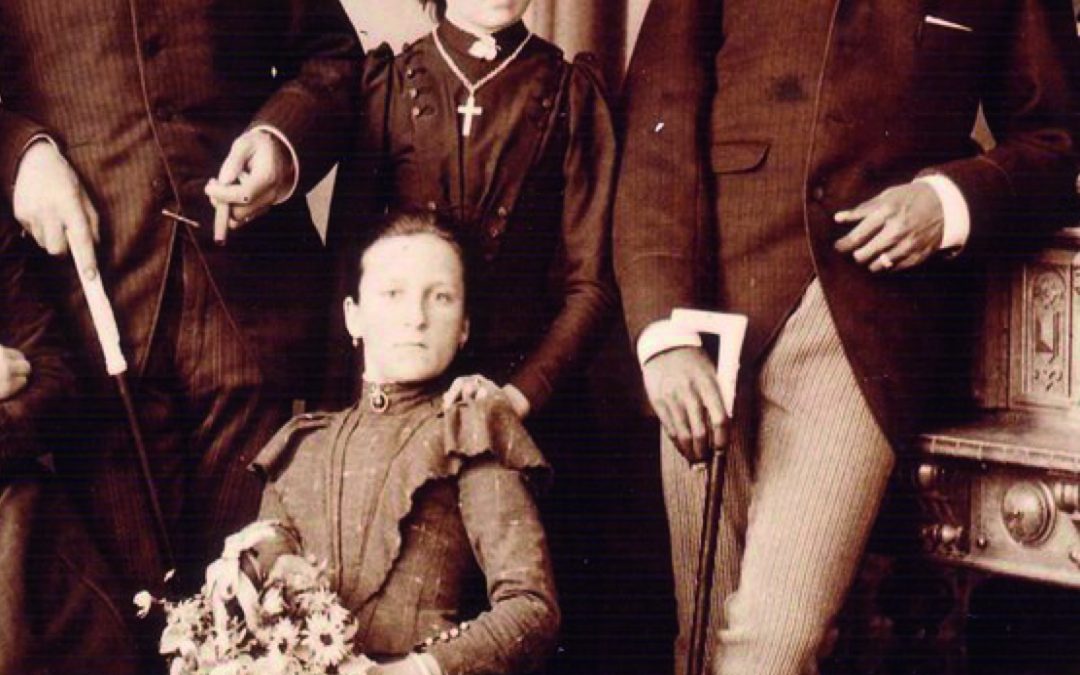
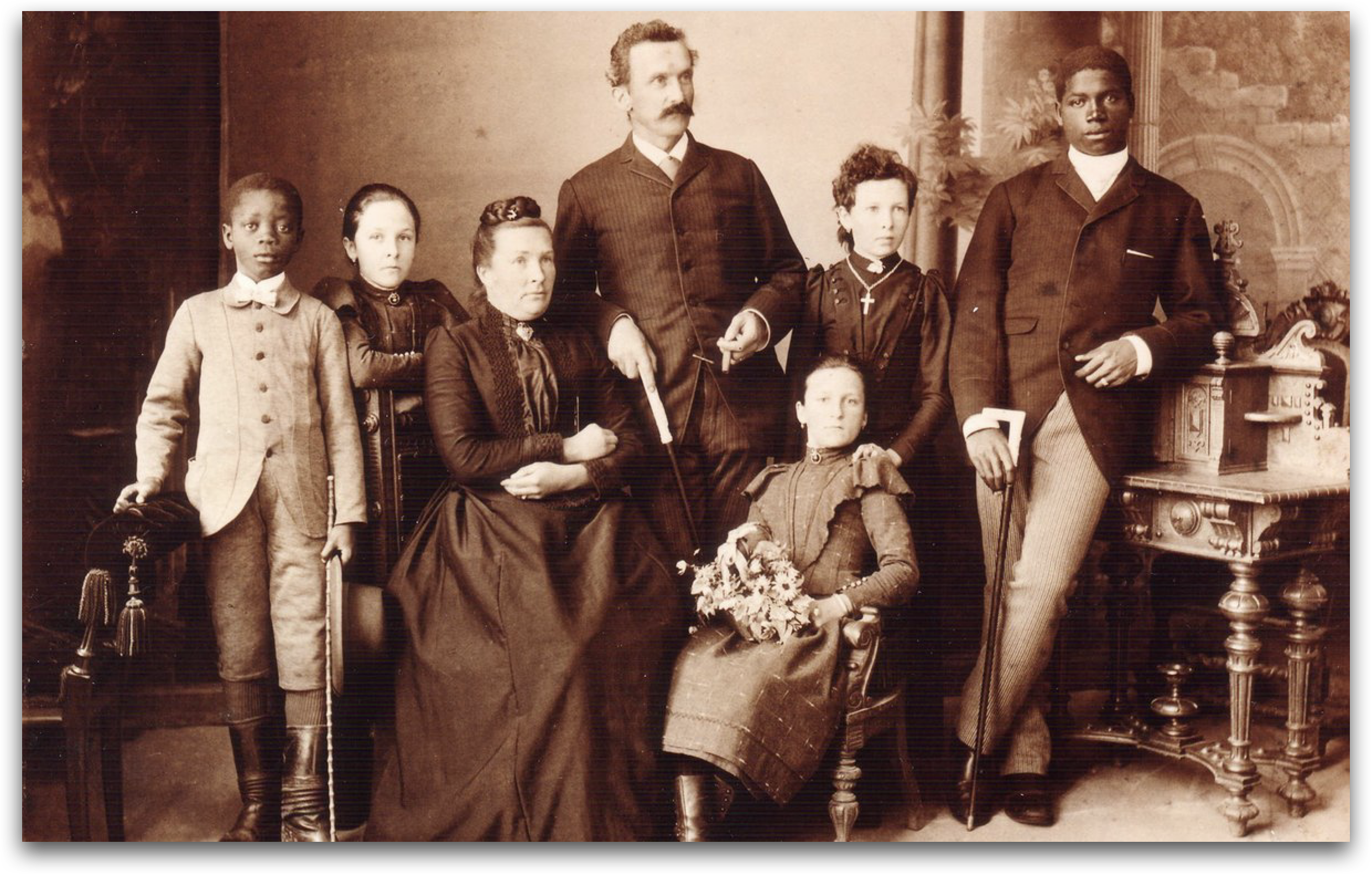
Duala Manga attended grammar school in Ulm with the very same Hermann Röhm around 20 years earlier. In the course of the Court Room drama, Rudolf Duala Manga Bell emerges as a perfect example of the “cultural uplift” that the German colonizers ostensibly had in mind when they subjugated the “protectorates”. However, his perfect German, his comprehensive knowledge of German customs and the German legal system and, last but not least, his outstanding intellect meant that he was by no means safe, but was targeted by the colonial administration and its representative Röhm. Against the historical backdrop, the painful story of this friendship, which ends in fatal betrayal through the process of unfriending, forms a metaphor for German behavior as a colonial power.

The story of Rudolf Duala Manga Bell, who loved German culture and whose persistent belief in justice ended in a German judicial murder, is still little known. It is time to tell the story of this special man.

Credits
Screenplay & Director: Lisa Charlotte Friederich
Producer: Philipp Goeser
Production Company: Schiwago Film (Martin Lehwald, Marcos Kantis)

In cooperation with: SWR
Funded by: the German Federal Film Board (FFA)

Production year: 2026

Rukis erster Sommer

Rukis erster Sommer

Rukis first summer

9-year-old Sarah spends the summer holidays alone with her dad in Tunisia for the first time and rescues a chicken from the oven. Together they have an adventure in the desert and in the middle of an impenetrable sandstorm Sarah begins to see clearly for the first time.

Credits

Director: Frédérique Veith
Written by: Zazou Röver
Producer: Philipp Goeser
Producer: Schiwago Film (Martin Lehwald, Marcos Kantis)
Fundings: Kuratorium junger deutscher Film und Beauftragte der Bundesregierung für Kultur und Medien (BKM)

Göggingen

Göggingen

Göggingen

Göggingen

Screenplay: Christoph Silber, Dörte Franke, Martin Lehwald
Director: Martin Lehwald

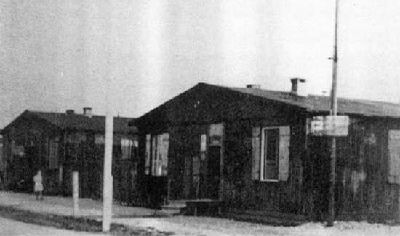
An emigrated German returns in 1947 as an officer in the U.S. Army and is assigned to oversee the denazification camp at Göggingen. There he befriends the wife of a high Nazi chargé, who uses him to escape with her husband.